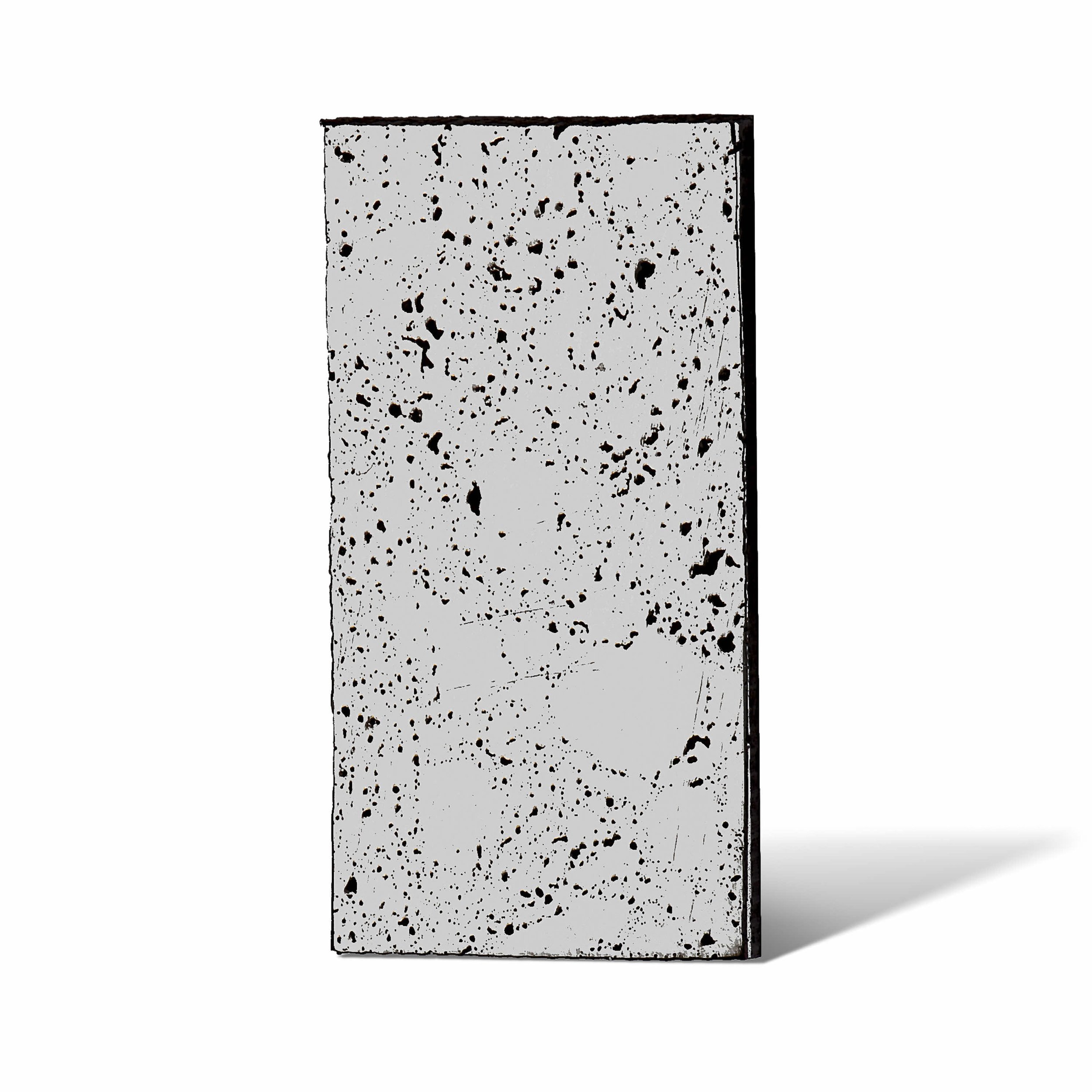
49. TUCSON — SMALL PARTIAL SLICE OF LEGENDARY AMERICAN METEORITE
Polycrystalline ataxite / Iron-anom
Sierra de la Madera Mountains, Arizona/Mexico border region
Found in 1850 / TKW 975 kg
(Similar to the next lot.) Few meteorites are the subject of entire books; Tucson is one of them and for good reason. While the two known masses of Tucson — dubbed the “Tucson Ring” and “Carleton” masses — are exhibited at The Smithsonian, their history is interwoven with the history of the Southwest. At the time of the meteorites’ discovery, Tucson was the largest of the frontier presidios. The two massive meteorites were used as blacksmiths’ anvils. A few years later, when Tucson became part of the United States, the Mexico abandoned the meteorites. What is still the largest meteorite with a naturally formed hole, the Tucson Ring was transported to the Smithsonian via boats to and from Panama while the Carleton mass was conveyed via wagon train to San Francisco where it weathered the great earthquake of 1906. Cut from the Carleton mass, this rectangular partial slice originates from one of the most fabled and sought after American meteorites. And “sought after” is an apt double entendre: hundreds of treasure seekers over the last fifty years continue to look for more material. This is a historic meteorite and meteorite Americana.
11 x 22 x 3mm (0.5 x 0.75 x 0.1 in.) and 5.72 grams (29 carats)
Provenance: National Museum of the United States (The Smithsonian)
Estimate: $2,000 – 3,000 * No Reserve